 PlumbingWaukee
Home / Services / Sump Pump Installation & Repair
Sump Pump Installation and Repair
A working sump pump keeps groundwater out of your basement. If yours fails during a storm, we get there fast and fix or replace it.
Call +1 (515) 585-4137Free Estimate- Free on-site estimates
- Same-day available
- Price before work starts
- Clean, careful crew
- Homes and businesses
Keep Groundwater Out of Your Basement

If you own a home in central Iowa, you know how fast spring can turn wet. Snow melts, the ground is still frozen, and a heavy rain falls on top. Water has nowhere to go but down and sideways, right toward your foundation. That is where your sump pump earns its keep. It sits in a pit, called a sump basin, at the lowest spot of your basement or crawl space. When groundwater rises in the pit, the pump turns on and pushes the water out and away from the house.
When it works, you never think about it. When it fails, you find out in the worst way: with water on the floor. A flooded basement can ruin drywall, carpet, furniture, and stored boxes. It can also lead to mold in a matter of days. The cost of a new pump is small next to that kind of damage.
We install, test, and repair sump pumps across the area. If your pump quit during a storm, our emergency plumbers can help, and we will do our best to get there fast. If you are planning ahead, even better. A pump check in the dry months is the best time to find problems.
Signs your sump pump needs help
- The pump will not start, or it runs nonstop even in dry weather.
- Loud grinding, rattling, or humming sounds.
- Water sits in the pit but does not leave.
- A musty smell or damp spots on basement walls and floors.
- Rust on the pump body or a pump that is more than eight to ten years old.
- The pump cycles on and off every few seconds.
Our guide to the warning signs of sump pump failure explains more of these clues and what each one means.
Why Sump Pumps Fail
Most failures come from a short list of causes. The first is power loss. Storms that bring heavy rain also bring outages, and a pump with no power is just a bucket. The second is a stuck float switch. The float rises with the water and tells the pump to run. If it jams against the side of the pit, the pump either never starts or never stops.
A bad check valve is another common issue. This one-way valve keeps water from flowing back into the pit after the pump shuts off. If it fails, the pump runs again and again, wearing out fast. Clogged intakes from silt, gravel, or debris can also block flow, and a frozen or crushed discharge line outside can trap water in the pipe. In Iowa, discharge lines freeze often in January and February, so they deserve a close look.
Age is the last big factor. Most pumps wear out in around ten years, sometimes sooner if they work hard. A high water table, clay soil that drains slowly, and heavy spring rain all raise the workload. The pumps in homes near creeks and low fields tend to run the most.
Primary pump or backup pump
Many homes only need one pump. But the cost of a basement flood is high, so many owners add protection. A battery backup pump runs on a deep-cycle battery when power fails. It will not run forever, but it can carry you through a typical outage. Another option is a water-powered backup, which uses city water pressure to push water out. It works with no electricity, though it only suits homes on city water and uses water while it runs.
We explain the pros and cons for your home. If you live in a spot that floods often or finish your basement for living space, a backup is worth serious thought.
Tip: Every spring, clean the pit and pour a bucket of water in to test the pump. It should start, empty the pit, and shut off smoothly.
Sump Pump Repair and Replacement
Many sump pump problems are simple. We start by checking the pit, the float, the check valve, the power supply, and the discharge line. Often a stuck float can be freed, a check valve can be swapped, or an intake can be cleaned. Those fixes are quick and cost far less than a new pump.
When the pump is old, noisy, or rusty, replacement is the better call. A new pump has a fresh motor and a new float, and it gives you peace of mind. We size the pump to match your pit and the amount of water that flows in. A pump that is too small cannot keep up in a storm. One that is too big can cycle too fast and wear out early.
Choosing a pump type
There are two main styles. A submersible pump sits inside the pit under the water. It runs quietly and handles heavy loads well, so it is the popular choice for most homes. A pedestal pump has its motor above the pit on a stand. It is easier to reach and can last a long time, but it is louder and takes up more space. We help you choose based on your pit depth, noise concerns, and how much water you move.
Discharge line and drainage
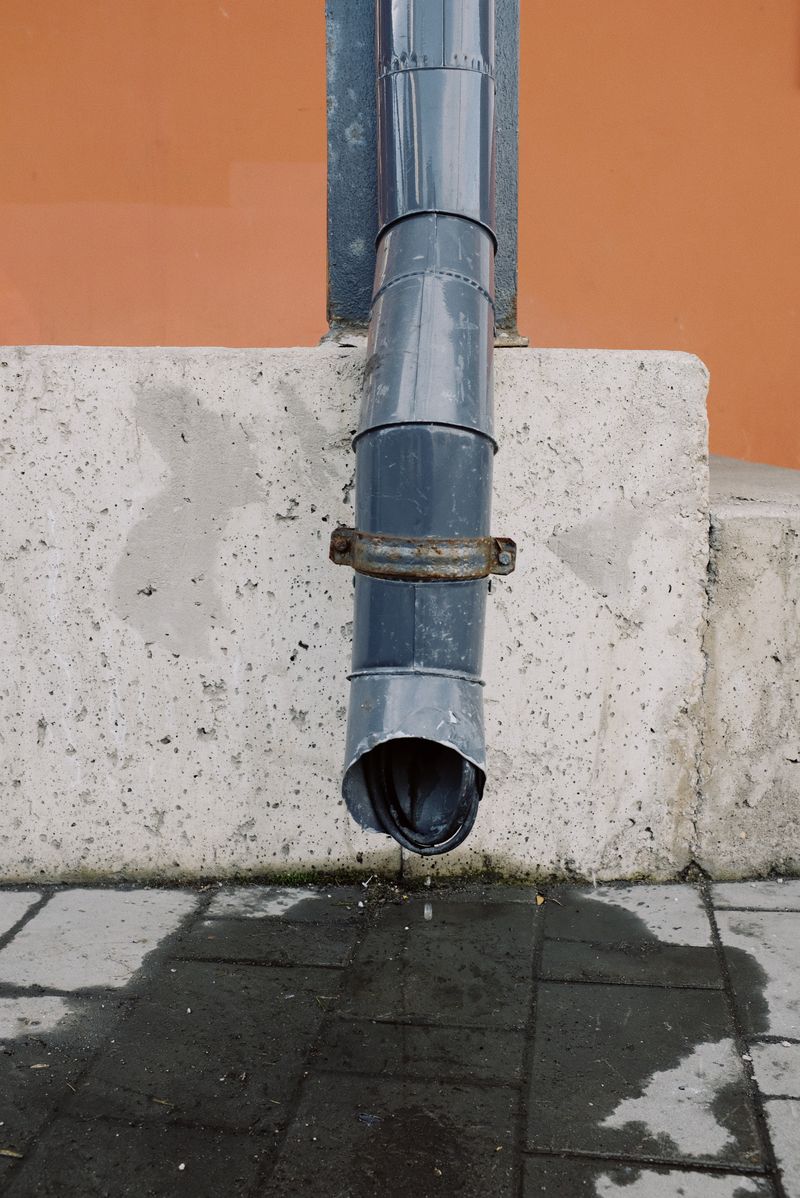
Where the water goes matters as much as the pump. Water should leave through a sealed line that ends well away from the foundation, ideally on ground that slopes down and away. If it empties right next to the house, it can run back into the pit and the pump will cycle forever. We check for kinks, low spots where water can freeze, and loose joints. In winter, we may suggest an add-on to help the line drain so it does not freeze solid. Sometimes the best fix is to extend the line, which is simple and inexpensive.
Homes in rural spots like Dallas Center often sit on land with a higher water table, and sump pumps there work harder. Older homes in Des Moines may have pits that are small or in poor shape, and we can rebuild or replace a pit liner when needed.
Our Process and What It Costs
- Check the pit. We look at the pit, float, and discharge line for blockages, damage, and signs of past flooding.
- Test your current pump. We run water into the pit and see how the pump handles the cycle, including the power setup and outlet.
- Repair or replace. We fix what can be fixed. If a new pump is the better choice, we install it and add a check valve or backup as needed.
- Full test. We run water through the whole cycle before we leave, and we haul away the old pump.
We give you the price in writing before we start. The cost depends on pump horsepower, the condition of the pit, the discharge piping, and whether you add a battery backup. A primary pump alone costs less than a pump with a backup system. A minor repair costs much less than a full install. For an overview of how plumbing jobs are priced, see our plumbing cost guide.
Other things that help keep a basement dry
A pump is only one piece. Gutters and downspouts should carry roof water at least several feet from the foundation. The ground near the house should slope away. Window wells should be clear and have covers. If your basement stays damp even with a working pump, there may be a drain tile problem or a leak in a pipe. Our leak detection team can help rule out plumbing leaks as the source.
Pumps that sit unused for months can seize. Check yours before the wet season. Keep the area around it clear, and make sure the power cord is plugged into a working outlet, ideally one with a ground fault protector that is not shared with a freezer that could trip it.
Maintenance That Pays Off
Plan on a quick check every spring, and again in the fall before freezing weather. Clean out the pit, test the float, and listen for strange noises. Check that the discharge line is clear and drains well. Replace the pump around the ten year mark, even if it still runs. A planned replacement on a sunny day costs far less than an emergency call during a storm.
If you are not sure how old your pump is, look for a date on the label or ask us to inspect it. We are happy to tell you if it has life left. To book a visit, contact us or call +1 (515) 585-4137. You can also browse all of our services to see how else we can help protect your home.
Questions We Hear Most
What are the signs of a failing sump pump?
Odd noises, nonstop running, rust, and a pump that will not start are the top signs. A pump that is more than ten years old is also at risk. If you see any of these, have it tested soon.
How much does sump pump repair cost?
It depends on the part that failed and the type of pump. A float or check valve repair costs much less than a new pump. We give you a price first, before any work begins.
How long does a sump pump last?
Many pumps last around ten years, though heavy use can shorten that. Testing every spring helps you catch wear early. Plan a replacement before the pump fails.
Do I need a battery backup?
A backup is a smart idea if your basement is finished, floods easily, or your area loses power in storms. It keeps the pump running for a time when the grid is down. We can show you the options for your home.
Why does my sump pump run when it is dry outside?
A stuck float, a bad check valve, or a high water table can all cause it. Water from a leaking pipe or a nearby source can also fill the pit. We find the cause and fix it.
Can I install a sump pump myself?
Some owners swap a pump on their own, but pit sizing, check valves, and discharge routing are easy to get wrong. A mistake can lead to a flood. We install it to code and test the full cycle.
Ready for Help?
Call now for friendly service and honest pricing.
Call +1 (515) 585-4137Request Service