 PlumbingWaukee
Home / Blog / 5 Signs Your Sump Pump Is About to Fail
5 Signs Your Sump Pump Is About to Fail
A failed sump pump can flood a basement in minutes during a storm.
Call +1 (515) 585-4137Free Estimate- Free on-site estimates
- Same-day available
- Price before work starts
- Clean, careful crew
- Homes and businesses
Why a Sump Pump Matters So Much in Iowa

A sump pump sits in a pit in the lowest part of your basement or crawl space. When ground water rises, it fills the pit. A float switch lifts, the pump turns on and water is pushed out through a discharge pipe to the yard. It is a quiet job, and most people forget the pump is there. That is fine, until the day it does not turn on.
Central Iowa gets spring thaws, heavy summer storms and a high water table in many areas. Clay soil does not drain fast, so water lingers around foundations. Johnston, Grimes and Waukee have many finished basements. Dallas Center, Van Meter and Granger have homes that sit near farmland and low spots. In all of these places, a failed pump can mean a flooded basement in a short time. Wet carpet, damaged walls, ruined furniture and mold can follow. The cleanup often costs far more than a new pump.
The good news is that most pumps give clues before they quit. If you know what to look and listen for, you can fix the problem on your own schedule instead of during a storm. Here are five signs that your pump is asking for help, and what each one means.
Five Signs Your Sump Pump Is About to Fail
1. Strange noises
A healthy pump hums and gurgles for a short time and then stops. Grinding, rattling, squealing or a loud thumping is not normal. These sounds often mean worn bearings, a damaged impeller or a stone or debris stuck in the pump. A motor that hums but does not move water may have a jammed impeller or a failing motor. Do not ignore a new noise, even if the pump still moves water today.
2. Cycling on and off too often
If the pump turns on and off every few seconds, something is wrong. A float switch may be stuck or set badly. The pit may be too small. A faulty check valve may let water fall back into the pit after each cycle. Short cycling wears out the motor fast, since starting the motor is the hardest work it does. A pump that never rests may burn out before the storm ends.
3. Old age and rust
Most sump pumps last about ten years. Some give out sooner if they work hard all year. Look at the pump and the pipes. Rust, flaking paint and crusty buildup are signs of wear. If you do not know when the pump was installed, assume the clock is ticking, and let us check it. A pump near the ten year mark deserves a fresh look even if it still works.
4. It runs nonstop or will not start
A pump that runs all the time can have a float that is stuck up, a pit that fills too fast or a broken check valve. A pump that never starts may have a dead motor, a bad switch, a tripped breaker or a lost power cord. If water sits in the pit and the pump stays quiet, you have a real emergency, and it is time to call us. Our emergency plumbing team can respond day and night.
5. Visible problems in the pit or the discharge line
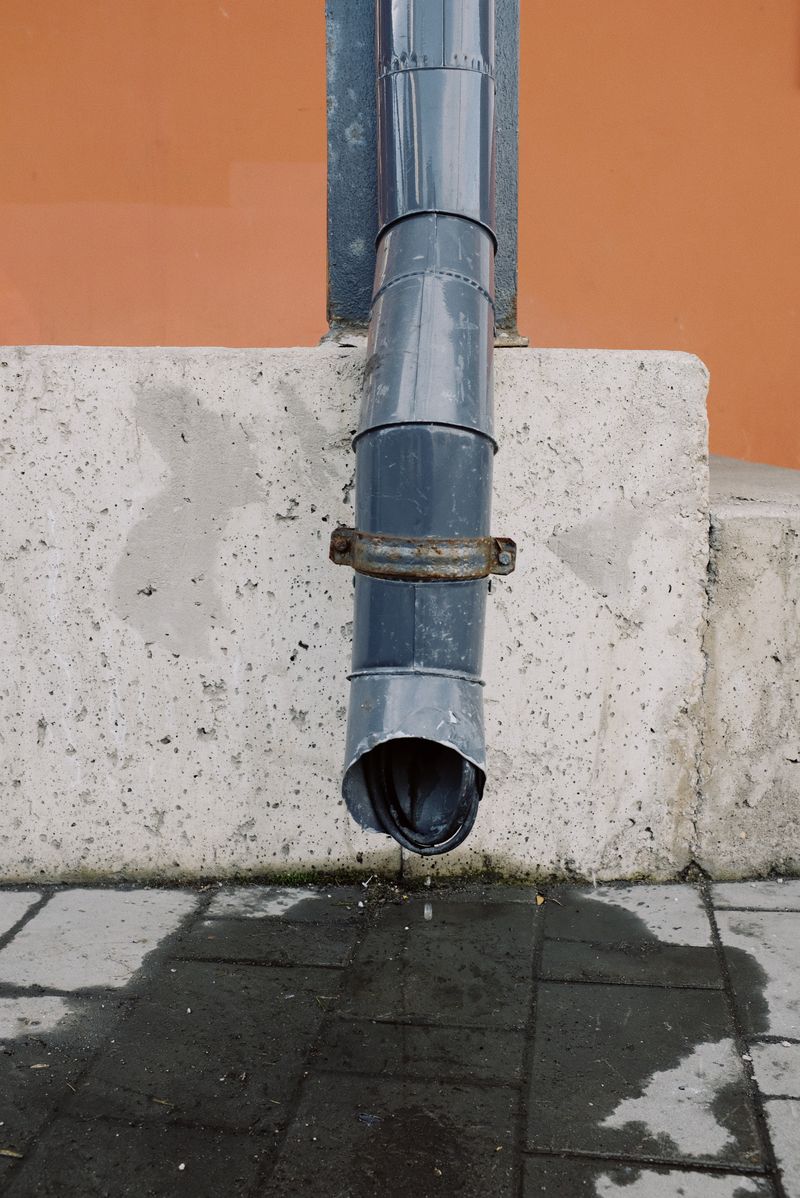
Look into the pit with a flashlight. Dirt, gravel, mud or trash can jam the float switch or clog the intake screen. Check the discharge pipe outside. If it is frozen in winter, blocked by leaves or crushed, the water has nowhere to go. A line that dumps water too close to the house can send it right back to the foundation. Water that smells like rotten eggs or looks oily is also a red flag that needs a plumber's eye.
Spring test: pour a bucket of water into the pit. The pump should start, empty the pit and shut off. If it does not, call us before the next storm.
A Simple Test You Can Do Each Spring
Make the test a yearly habit, and do it again before a big storm is forecast. First, make sure the pump is plugged into a working outlet. A GFCI outlet can trip and shut the pump off without you knowing. Press the test and reset buttons to be sure it is live. Then remove any debris you can see in the pit. Wear gloves, and never reach into the pit while the pump has power.
Next, pour water slowly into the pit until the float lifts. The pump should start within a second or two. Listen to the sound. Watch the water level drop quickly and the pump shut off on its own. Go outside while it runs, and see that water flows from the discharge pipe and drains away from the house. If the float does not rise, lift it by hand and see if the pump starts. If the pump starts when you lift the float but not on its own, the switch is the issue.
Also check the check valve. When the pump stops, you may hear a faint thump as water falls back and the valve closes. A loud knock or a lot of water falling back means the valve may be worn. If your pump fails any part of the test, please do not wait. Our sump pump installation and repair page explains how we handle each type of fix. Local homeowners can also read the notes on plumbing in Johnston and plumbing in Grimes.
Common Mistakes That Lead to a Flooded Basement
Many sump pump failures are not caused by the pump itself. They come from small mistakes. The first is forgetting to test the pump. A pump that sits idle for months can have a stuck float or seized parts. The second is leaving the pit full of dirt, gravel or trash. The third is sending the discharge into a spot that clogs or freezes. In winter, an outdoor pipe that ends in a snow bank can freeze solid. A discharge pipe that has no slope or that runs into a clogged drain can send water right back toward the house.
Another mistake is relying on a single power source. Storms are the most likely time for power to go out, and that is exactly when you need the pump. A pump with no backup is useless in a blackout. A battery backup sump pump runs on a deep cycle battery when the power fails. Some systems use a second pump with its own float. A water alarm in the pit gives a loud warning before water reaches the floor. We often recommend a backup for homes with finished basements, since the loss from a flood is large.
Finally, picking a pump that is too small or too large causes trouble. A weak pump cannot keep up in a storm. An oversized pump can short cycle. A plumber can size the pump to your pit and the water flow in your area. If a pump has failed once, it is smart to look at the whole system, including the pit, the piping and the check valve, and not just the pump.
What a Plumber Does and When to Call
When we visit, we start by looking at the pit, the pump, the float, the check valve and the discharge line. We test the pump under load, listen for noise and measure how fast it clears water. We clear debris, adjust the float and check electrical connections. If a part is worn, we replace it. If the pump is old or damaged, we explain why a new pump may be a smarter choice than a repair. We can also add a battery backup, a water alarm and a better discharge setup.
If you have water sitting in the pit, a pump that will not start, a pump that runs without stopping or loud noises, call us the same day. If water is already coming into the basement, shut off power to anything near the water and stay out of the wet area. Move valuables up if it is safe, and call +1 (515) 585-4137. While you wait, our guide on what to do before an emergency plumber arrives can help limit damage. If your basement bathroom or laundry drains into a pit system, a related device called a grinder pump may need attention too.
Plan ahead and the process is easier. Test the pump each spring, clean the pit, check the discharge line and think about a backup system. If your pump is near ten years old, replace it on your own schedule instead of waiting for a storm. To ask a question or set up a visit, reach out through our contact page.
Questions We Hear Most
Who can help with sump pump installation & repair?
Our licensed team can. Call +1 (515) 585-4137 for fast help. We repair, replace and add backup systems for homes across Central Iowa.
Do you offer free estimates?
Yes. We explain the problem and quote the price before we start. You choose the fix that fits your home and budget.
How long does a sump pump last?
Most last about ten years. A pump that runs often or sits in dirty water may wear out sooner. Testing each spring helps you catch trouble early.
Do I need a battery backup?
It is a smart choice if you have a finished basement or lose power in storms. The backup keeps the pit clear when the main pump cannot run.
Why does my sump pump run when it has not rained?
High ground water, melting snow or a nearby leak can fill the pit. A stuck float can also make the pump run. A plumber can find out which one it is.
Ready for Help?
Call now for friendly service and honest pricing.
Call +1 (515) 585-4137Request Service